



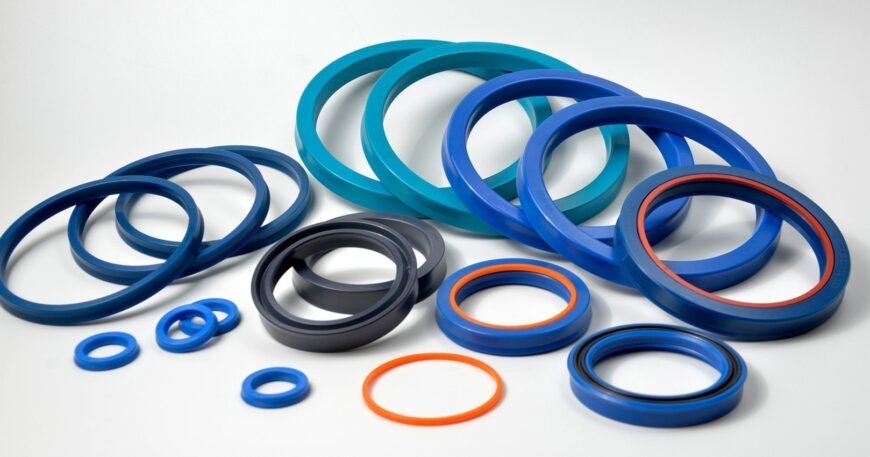
Hydraulic wipers, also known as scrapers, play a crucial role in maintaining the performance and reliability of hydraulic cylinder systems. Installed at the external end of the cylinder head, wipers are designed to remove dust, dirt, moisture, and other contaminants from the piston rod as it retracts into the system.
Why Hydraulic Wipers Are Important
During operation, piston rods are constantly exposed to harsh environments such as dust, mud, water, and metal particles. Without an effective wiper, these contaminants can enter the hydraulic system, leading to seal damage, wear ring failure, fluid contamination, and premature equipment breakdown.
Key Benefits of Hydraulic Wipers
- Prevents ingress of dirt and external particles
- Protects internal seals and wear rings
- Reduces abrasion and component wear
- Improves overall system efficiency
- Extends the service life of hydraulic cylinders
- Minimizes maintenance costs and downtime
Applications of Hydraulic Wipers
Hydraulic wipers are widely used in construction machinery, earth-moving equipment, industrial presses, agricultural machinery, and mobile hydraulic systems where exposure to harsh conditions is unavoidable.
Choosing the Right Wiper
Selecting the correct wiper depends on operating conditions such as rod speed, environmental exposure, temperature range, and material compatibility. High-quality materials like PU, NBR, FKM, and PTFE ensure effective wiping action with low friction and long-lasting performance.
Conclusion
Hydraulic wipers may appear to be simple components, but they are essential for protecting hydraulic systems from contamination. By ensuring clean rod surfaces and safeguarding internal components, wipers contribute significantly to smoother operation, improved reliability, and extended equipment life.